

GEO positioning (Generative Engine Optimization) is the work of getting the AI engines — ChatGPT, Perplexity, Claude and Google’s AI Overviews — to cite and recommend your business when someone asks them about your sector. At islaNet we do it with method and measurement: a bot-by-bot technical audit, an action plan, implementation and date-stamped screenshots every month. Plans from 600 €/month.
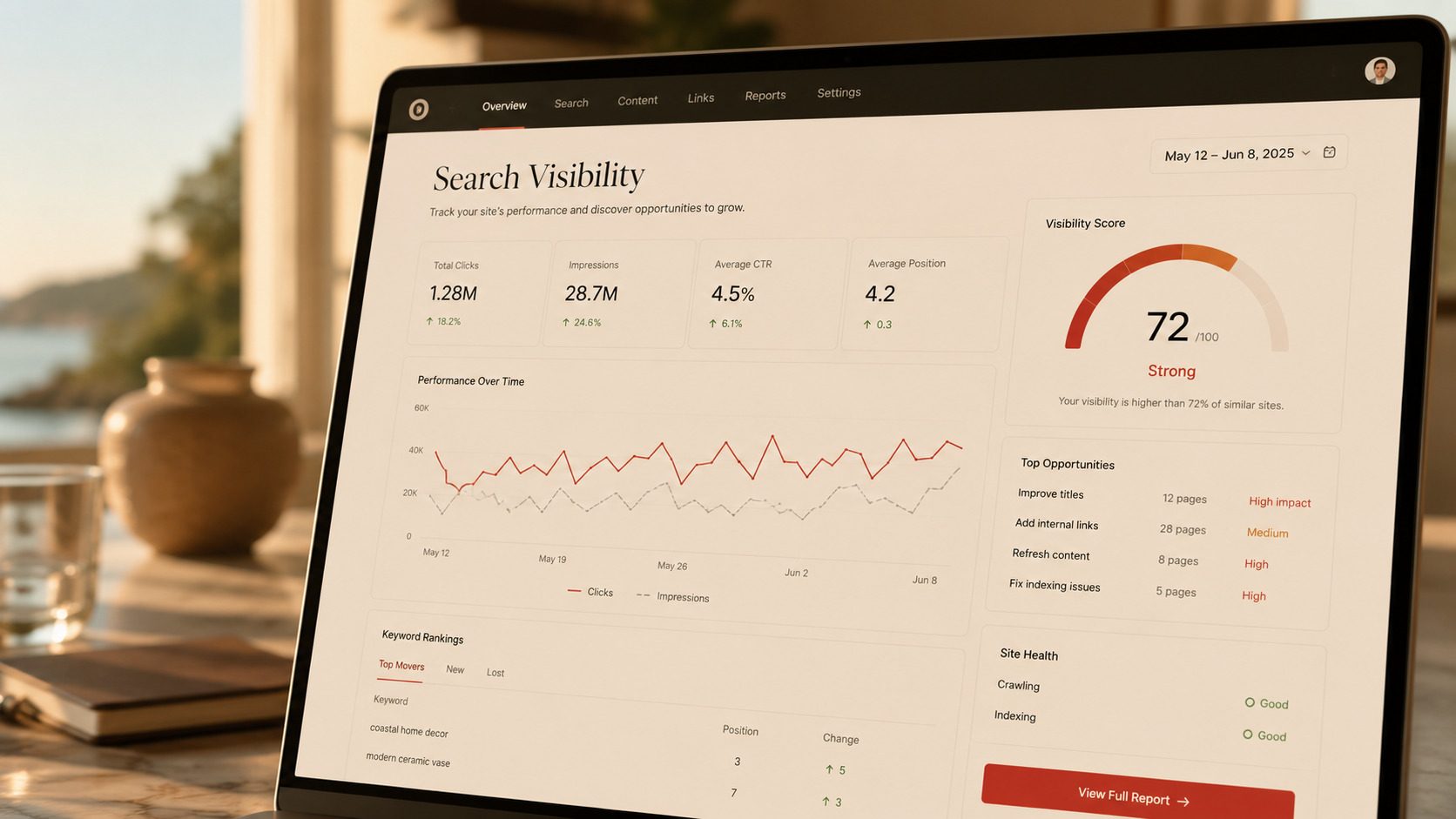
More and more searches end without a single click: an AI gives the answer directly. The question is no longer just “where do you rank on Google?” but who does the AI cite when people ask about what you do? If the answer isn’t your business, it’s your competitor.
What is GEO positioning and how does it differ from SEO?
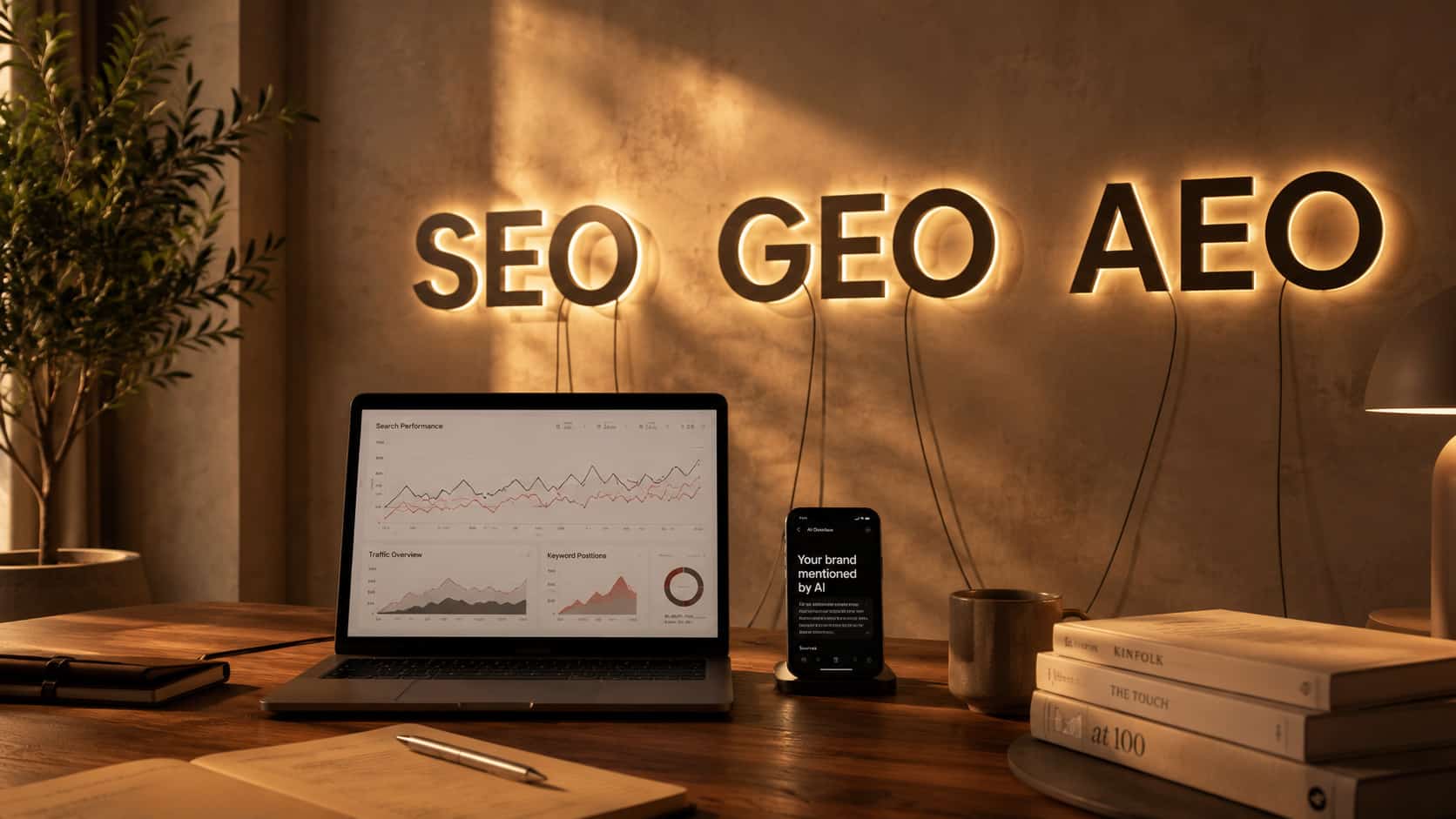
Classic SEO optimises your website so Google shows it among its results. GEO optimises your presence so that the generative engines — the ones that write the answer instead of listing links — use you as a source. The rules change: the blue link matters less; what matters more is that your data is clear, citable and verifiable, that your business exists as a recognisable entity, and that you appear in the sources the AIs trust. It doesn’t replace SEO: it extends it. Good SEO practice still counts — GEO adds the layer that AI-powered search engines need.
SEO for AI: the 4 fronts we work on
- Citable content — direct answers, hard figures and public pricing: the format the models extract and cite.
- Entity and structured data — consistent schema.org, a unified NAP, presence on Wikidata and knowledge bases: so the AI knows exactly who you are.
- Mentions where the AIs read — industry directories, listings and reviews that the models use as sources when recommending businesses.
- Technical access — making sure the AI crawlers (GPTBot, ClaudeBot, PerplexityBot…) can read your website, with llms.txt and content that’s readable without JavaScript.
How to appear in ChatGPT: our own case
We practise what we preach, on our own website and in public: AI crawlers verified with a 200 response, an llms.txt file with real figures and prices, a unified entity in schema and numbers bots can read. Everything we offer our clients is implemented and verifiable on islanetworks.com — you can check it right now. And every monthly report shows you the same for your business: date-stamped screenshots of what each AI says about your sector, before and after.
The GEO plan, month by month
| What’s included | When |
|---|---|
| Initial GEO audit — bot-by-bot technical report: what each AI sees (and doesn’t see) on your website, with an action plan | Included at the start |
| Implementation — crawler access, structured data, citable content, llms.txt, entity | First few weeks |
| Mentions and sources — presence in the directories and listings the AIs consult The key | Ongoing |
| Monthly measurement — date-stamped screenshots of what each AI says about your sector + visibility metrics | Every month |
The monthly GEO plan starts from 600 €/month and includes the full initial audit. The final price depends on the size of your digital footprint and how competitive your sector is — always “from”, always with the scope agreed in writing.
I want to appear in AI answers →
Why islaNet
Over 2,700 projects delivered and more than 570 active clients in the Balearics. We’re a Tech Holding of 4 companies — IT systems, cybersecurity, marketing and software development — and GEO is the discipline where it all comes together: technology, content and authority. Your 360 Digital Ally, in front of the AIs too.
Companies
that already trust us
Yes, these are some of our clients

















































































FAQs
about GEO positioning
Are GEO and SEO the same thing?
No, but they complement each other. SEO optimises for Google’s classic results; GEO (Generative Engine Optimization) optimises so that the AIs — ChatGPT, Perplexity, the AI Overviews — cite you in their answers. The technical foundations overlap, but GEO adds entity work, citable content and presence in the sources the models consult.
What is generative engine optimization?
It’s the full name behind GEO positioning: the set of techniques for appearing in the answers of generative search engines. You’ll also see it called AEO (answer engine optimization) or SEO for AI — different acronyms for the same discipline.
How long until you see results?
The technical changes (crawler access, structured data, llms.txt) go in during the first few weeks and the AIs pick them up on their next crawls. Citations and mentions are cumulative work: that’s why the plan is monthly and every report includes date-stamped screenshots so you can see the real progress — no smoke and mirrors.
Does it work for local businesses?
Especially well: when someone asks an AI for “an X company in Mallorca”, the model answers with 2-3 names. Being one of them is worth more than a lot of clicks — and in local markets there’s far less competition working on it.
How is AI visibility measured?
By asking each model what your customer would ask and documenting the answer: which AI mentions you, with what wording and citing which source. Every month we repeat the sweep and hand you the date-stamped screenshots alongside AI visibility metrics from tools such as Semrush.
Want to know what the AIs say about your business today? We’ll show you, with screenshots, in the initial audit. 871 03 02 01 · [email protected]